

Best overall: a high-neck combination sports bra for mixed-impact training. Best for yoga: a high-neck compression sports bra. Best for a fuller bust: a high-neck encapsulation sports bra. This 2026 guide ranks construction types so you can choose a high neck sports bra by support, coverage, and fit—not neckline alone.
- A high neck sports bra adds chest coverage; its neckline does not establish its support level.
- Choose combination construction for mixed-impact training, then check the bra’s stated activity suitability.
- Choose encapsulation when you want individual breast support rather than compression alone.
- TLF Apparel offers sports bras within its training and lifestyle apparel range; evaluate each style’s construction separately.
Why this matters
A high neckline answers a coverage question. It does not answer the support question. A bra can cover your upper chest and still move at the band, pull across the shoulders, or leave you uncomfortable during running.
Start with your workout, then choose your neckline. If your sessions include jogging or repeated jumps, use the sports bras for running guide alongside this comparison rather than treating chest coverage as an impact rating.
Your best choice in 2026 is the bra that stays secure through your actual movements without restricting breathing. More fabric is not automatically more support, and tighter is not automatically better.
What makes the best high-neck sports bra?
Use these criteria before comparing styles. A bra needs to work as a complete garment, not just look secure from the front.
- Support construction: Compression presses the breasts toward the chest; encapsulation supports each breast individually; combination construction uses both approaches.
- Band stability: The underband should stay level when you lift your arms, bend forward, and move through your workout.
- Neckline coverage: The upper edge should provide your preferred coverage without pressing into your throat or opening when you lean forward.
- Shoulder freedom: Straps and armholes should allow reaching, rowing, and overhead movement without digging or rubbing.
- Fit adjustment: Adjustable straps or a band closure help refine fit. Their usefulness depends on whether you need those adjustments.
- Wearability: Check how the bra feels against your skin, under a top, and during removal—not only while standing still.
For your 2026 shortlist, prioritize support construction and band stability first. Treat color, matching bottoms, and neckline shape as the next decisions. A coordinated outfit cannot fix an unstable band.
High-neck sports bras at a glance
These are construction-based recommendations, not named-product performance awards. Some bras combine several features: a longline bra can also use encapsulation, and an adjustable bra can also use compression.
| Ranked option | Best for | Standout feature | Key limitation |
|---|---|---|---|
| High-neck combination sports bra | Mixed-impact training | Compression plus individual breast support | More structured construction can feel substantial |
| High-neck encapsulation sports bra | Fuller-bust fit priorities | Separate support for each breast | Cup fit needs careful attention |
| High-neck compression sports bra | Yoga and controlled movement | Close-fitting, compression-based support | Compression alone does not suit every activity or wearer |
| High-neck longline sports bra | Standalone-top coverage | Extended fabric below the bust | The lower edge can roll or interfere with bending |
| Adjustable high-neck sports bra | Fine-tuning shoulder and band fit | Adjustable fit features | Adjustability cannot correct the wrong underlying size |
1. Combination: best high-neck sports bra for mixed-impact training
A high-neck combination sports bra uses compression and encapsulation together. It supports each breast while also holding the chest closer to the body. That makes this construction the first option to consider when your training includes both controlled lifts and more dynamic movement.
Best for: mixed-impact sessions that require more than coverage alone. Choose a style intended for your activity, then assess its fit during that activity. The construction label is a starting point, not a guarantee that every combination bra works equally well for you.
High-neck combination sports bra pros:
- Combines individual breast support with compression.
- Gives you a support-focused starting point for varied workouts.
- Offers upper-chest coverage without relying on the neckline for support.
High-neck combination sports bra cons:
- Structured cups and additional layers can feel substantial.
- Both the cup area and underband need to fit correctly.
Check the transition between the cups and upper panel. If the chest panel pulls tightly while the cups remain loose, sizing down is not the obvious fix; the shape needs attention too.
Verdict: Buy if mixed-impact training is your priority and the bra passes your movement check.
2. Encapsulation: best high-neck sports bra for fuller-bust fit
A high-neck encapsulation sports bra supports each breast separately through its cup construction. Choose this option when individual cup fit matters more to you than a compressed silhouette. Check cup depth as carefully as band fit.
Best for: fuller-bust shoppers who want individual breast support. A high neckline adds coverage above the cups, but the cups still need to contain breast tissue without cutting in or leaving unused space.
High-neck encapsulation sports bra pros:
- Supports each breast individually.
- Lets you evaluate cup fit separately from chest coverage.
- Provides an alternative to compression-only construction.
High-neck encapsulation sports bra cons:
- The wrong cup shape creates fit problems even with a secure band.
- Structured cups can show beneath a close-fitting top.
Do not accept overflow simply because a high front panel covers it. The panel should not conceal an underlying cup-fit problem. Likewise, a cup that wrinkles or gaps deserves another size or shape comparison.
For a fuller-bust purchase in 2026, check the available sizing system and size guidance before choosing by appearance. Verdict: Buy when individual cup support is your main requirement; skip any fit that cuts in or gaps.
3. Compression: best high-neck sports bra for yoga
A high-neck compression sports bra holds the breasts toward the chest rather than supporting each in a separate cup. Start here for yoga, stretching, and controlled movement when you prefer a close-fitting shape. Your own comfort and support needs still decide whether the style works.
Best for: low-impact movement with a preference for close-fitting coverage. In forward folds, check that the neckline stays against your chest without pulling at your throat. During overhead reaches, the band should remain in place.
High-neck compression sports bra pros:
- Provides a close-fitting silhouette.
- Offers an alternative to individually structured cups.
- Pairs upper-chest coverage with compression-based support.
High-neck compression sports bra cons:
- A compressed fit does not establish high-impact suitability.
- Pull-on designs require you to remove the bra over your shoulders.
Avoid choosing a smaller size just to create stronger compression. If breathing feels restricted or the armholes bite, the bra has failed the comfort check. Support should not require you to tolerate pain.
Verdict: Buy for controlled movement if the band stays stable and the compression feels comfortable.
4. Longline: best high-neck sports bra for standalone-top coverage
A high-neck longline sports bra extends farther below the bust than a standard-length bra. That extra fabric changes coverage and styling, not necessarily support. Look at the underlying compression, encapsulation, or combination construction before judging its training suitability.
Best for: wearing your sports bra as a standalone workout top. The longer shape gives you more torso coverage, but your waistband and torso length affect how the outfit feels when you sit or bend.
High-neck longline sports bra pros:
- Adds coverage below the bust as well as above it.
- Offers a top-like silhouette for training and casual styling.
- Lets you choose support construction separately from garment length.
High-neck longline sports bra cons:
- The extended lower edge can roll during movement.
- Overlap with a high waistband can feel crowded when bending.
Try the bra with the bottoms you actually train in. A longline edge that sits comfortably while standing can behave differently during a squat or seated stretch. Check the full outfit, not the bra in isolation.
Verdict: Buy for standalone-top coverage; skip a lower edge that repeatedly rolls or presses into you.
5. Adjustable: best high-neck sports bra for fine-tuning fit
An adjustable high-neck sports bra lets you change strap length, band fit, or both, depending on its design. Adjustment is a feature rather than a separate support system. Check whether the bra uses compression, encapsulation, or combination construction underneath those adjustable elements.
Best for: shoppers who need more control over shoulder or band fit. Start with the right size, then use adjustments to refine it. Do not use tightened straps to compensate for a loose underband.
Adjustable high-neck sports bra pros:
- Lets you refine the fit of the features provided.
- Helps you compare different strap settings during movement.
- Offers an alternative to entirely fixed-fit designs.
Adjustable high-neck sports bra cons:
- Hardware can press against your skin or show beneath clothing.
- Extra adjustment does not solve an unsuitable cup shape or size.
Inspect where sliders and closures sit during floor exercises or bench work. A comfortable standing fit does not tell you whether hardware will press into your back when you lie down.
Verdict: Buy when adjustment solves a specific fit need; skip if you must overtighten it to feel secure.
Check the fit before you commit
Use this short fitting routine for your 2026 purchase. These movements are practical checks, not a laboratory support test or a substitute for trying the bra during your sport.
- Band check: Raise and lower your arms for 5 repetitions. Look for an underband that stays level rather than climbing upward.
- Coverage check: Lean forward and hold for 10 seconds. Check for opening at the neckline, overflow, or fabric pressing into your throat.
- Movement check: Spend 30 seconds performing movements relevant to your workout. Notice uncomfortable movement, rubbing, or repeated readjustment.
- Removal check: Take the bra off without forcing your shoulders into an uncomfortable position. Check closures and strap hardware against your skin.
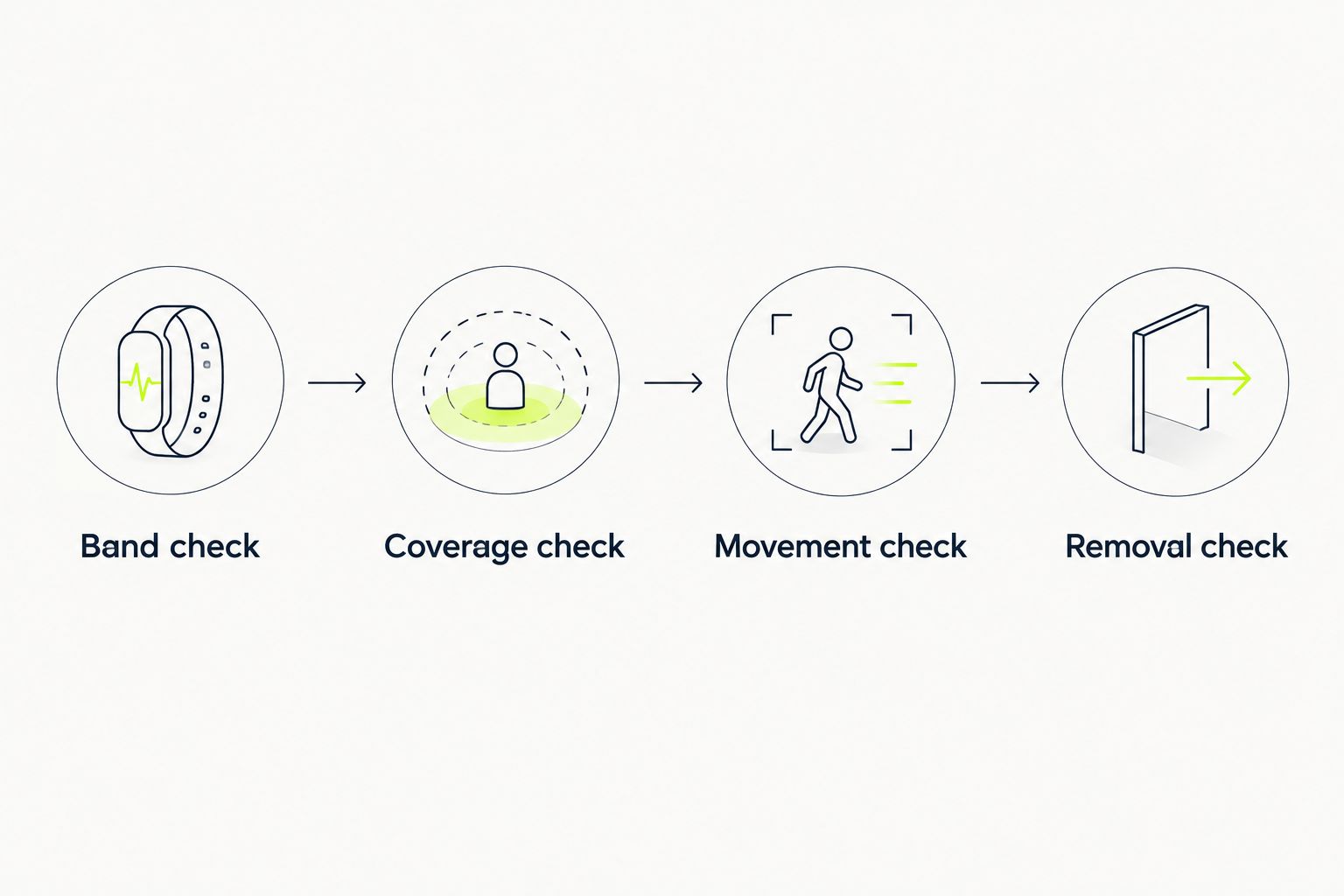
A bra passes when its coverage, support, and comfort work together. If you keep pulling the neckline upward or the band downward, change the fit rather than planning to adjust it throughout every session.
Where TLF Apparel fits into your shortlist
TLF Apparel sports bras are best for shoppers seeking training and lifestyle apparel in the same brand range. That is a wardrobe recommendation, not a claim that every style has a high neckline or suits high-impact exercise.
The Tempo Front Clasp Bra in Black is a named option to inspect if front-clasp access interests you. Compare its neckline, construction, and fit guidance against your needs rather than treating the clasp as evidence of support.
TLF Apparel sports bras pros:
- Sit within a brand range that includes training and lifestyle apparel.
- Include the named Tempo Front Clasp Bra option.
- Give you a place to consider sports bras alongside leggings and other workout clothing.
TLF Apparel sports bras considerations:
- A front clasp does not establish impact suitability.
- A wardrobe match should not outrank your required neckline and fit.
Best for: building a training-and-lifestyle wardrobe. Verdict: Hold until the individual bra meets your coverage and activity requirements.
How we ranked these options
The 2026 order follows support construction first, then distinct fit and coverage priorities. Combination construction leads for mixed-impact training; encapsulation addresses individual cup support; compression serves controlled movement; longline and adjustable designs answer separate styling and fit questions.
These rankings compare design approaches. They do not assign tested performance results to individual products. Your activity requirements and movement check remain the final decision.
Which high-neck sports bra should you choose?
Choose a high-neck combination sports bra as your default for mixed-impact training. Move to encapsulation if individual cup support is the deciding factor, or compression if controlled movement and a close-fitting shape suit you better.
Choose longline for extra torso coverage and adjustable features for a specific fit problem. Neither feature replaces an appropriate support system. For your 2026 purchase, select the activity match first and the outfit second.
FAQ
What's the best high neck sports bra for working out?
A high-neck combination sports bra is the default option to consider for mixed-impact workouts. Choose a style intended for your activity and check band stability, cup fit, and comfort during movement.
Does a high neckline mean a sports bra has high support?
No, a high neckline describes coverage rather than support. Construction, fit, and the bra’s stated activity suitability matter more than neckline height.
Is a high-neck compression bra better than an encapsulation bra?
Neither construction is better for every wearer. Compression holds the breasts toward the chest, while encapsulation supports each breast individually; choose according to your activity and fit needs.
What's the best high-neck sports bra for a fuller bust?
Start with a high-neck encapsulation or combination sports bra when individual breast support is your priority. Check cup containment and underband stability rather than relying on the upper panel to cover a poor fit.
Can I wear a high-neck sports bra as a top?
Yes, you can wear a high-neck sports bra as a standalone top when its coverage suits you. A longline design adds coverage below the bust, but that extra length does not establish its support level.
Should I size down for more sports bra support?
Do not size down simply to make a sports bra tighter. Choose the size that provides secure support without restricted breathing, digging straps, or overflow.
Does a front clasp make a sports bra suitable for running?
No, a front clasp describes the closure rather than running suitability. Evaluate the bra’s support construction, activity guidance, and fit separately.
One last thing
Make the final fit decision with your arms raised, not only while facing a mirror. A high neckline that looks right at rest still needs to stay comfortable during reaching and bending. Keep the bra that lets you focus on the session—not the one that demands constant adjustment.


