

Most gym shorts with a built-in liner last 6 to 12 months of regular training before the liner loses its stretch recovery — the outer shell fabric usually still looks fine when that happens. The hidden cost most buyers miss: the liner wears out faster than the shell because it takes more friction, more sweat, and more washes, so a pair of shorts can look brand new on the outside while the liner sags, bunches, or rides up underneath.
- Gym shorts with a liner typically last 6 to 12 months, or roughly 100-150 wear-and-wash cycles, before elastane recovery fades.
- The liner degrades faster than the outer shell — sagging or bunching is the real end-of-life sign, not holes in the fabric.
- Washing after every wear and skipping the dryer roughly doubles liner life compared to machine-drying on heat.
- Compression-knit liners in shorts like TLF's Train Element line hold shape longer than loose mesh liners in basic training shorts.
- How long gym shorts with a liner last depends more on laundry habits in 2026 than on what you paid for them.
Why This Matters
A liner that's stretched out doesn't just feel loose — it stops doing its job. Compression liners are there for support and chafe control during squats, lunges, and sprint work, and once the elastane in that liner loses recovery, it bunches at the worst moments mid-set.
Shorts like the Train Element 5 Inch Shorts use a tighter compression-knit liner built into an Element Tech DNA shell, which is a different construction than the floating mesh liners sewn into cheaper training shorts. That construction difference is one of the biggest variables in how long gym shorts with a liner actually last, and it's worth knowing before you judge a pair by price alone.
How Long Do Gym Shorts With A Liner Last?
Laundry habits move the number more than the shorts themselves do. Heat from a dryer breaks down elastane bonds faster than air drying, and sweat left to sit between washes accelerates fiber breakdown in the liner specifically, since it sits closest to skin.
| Wash habit | Estimated liner lifespan |
|---|---|
| Washed after every wear, air-dried | 10-12 months |
| Washed every 2-3 wears, air-dried | 6-9 months |
| Washed every 2-3 wears, machine-dried on heat | 4-6 months |
| Worn multiple times between washes | 3-5 months |
These ranges assume 3-4 training sessions a week. Someone lifting daily or training outdoors in heat will land at the low end of each range regardless of wash habits, because sweat volume and UV exposure both speed up fiber fatigue.
Washed After Every Workout: 10 To 12 Months
This is the top end of the range and it's earned, not lucky. Washing after each wear and letting the liner air-dry keeps salt and oil from setting into the fibers, which is what actually breaks elastane down faster than normal wear.
Washed Every 2-3 Wears: 6 To 9 Months
This is the realistic middle for most people in 2026 — busy schedules mean shorts get worn two or three times before hitting the laundry. Expect the liner to start bunching or losing shape somewhere in month six or seven under this pattern.
Rarely Washed Between Wears: 3 To 5 Months
Worn repeatedly without washing, or dried on high heat every time, a liner can lose meaningful recovery in under half a year. The shell fabric will usually still look new at this point, which is exactly why people get surprised when the liner suddenly feels loose.
Why Liner Lifespan Varies
- Wash frequency and heat exposure — dryer heat breaks elastane bonds faster than air drying does
- Liner fabric blend — nylon-spandex blends hold recovery longer than pure polyester liners
- Sweat and salt buildup — left to sit between washes, it eats into liner fibers faster than the workout itself
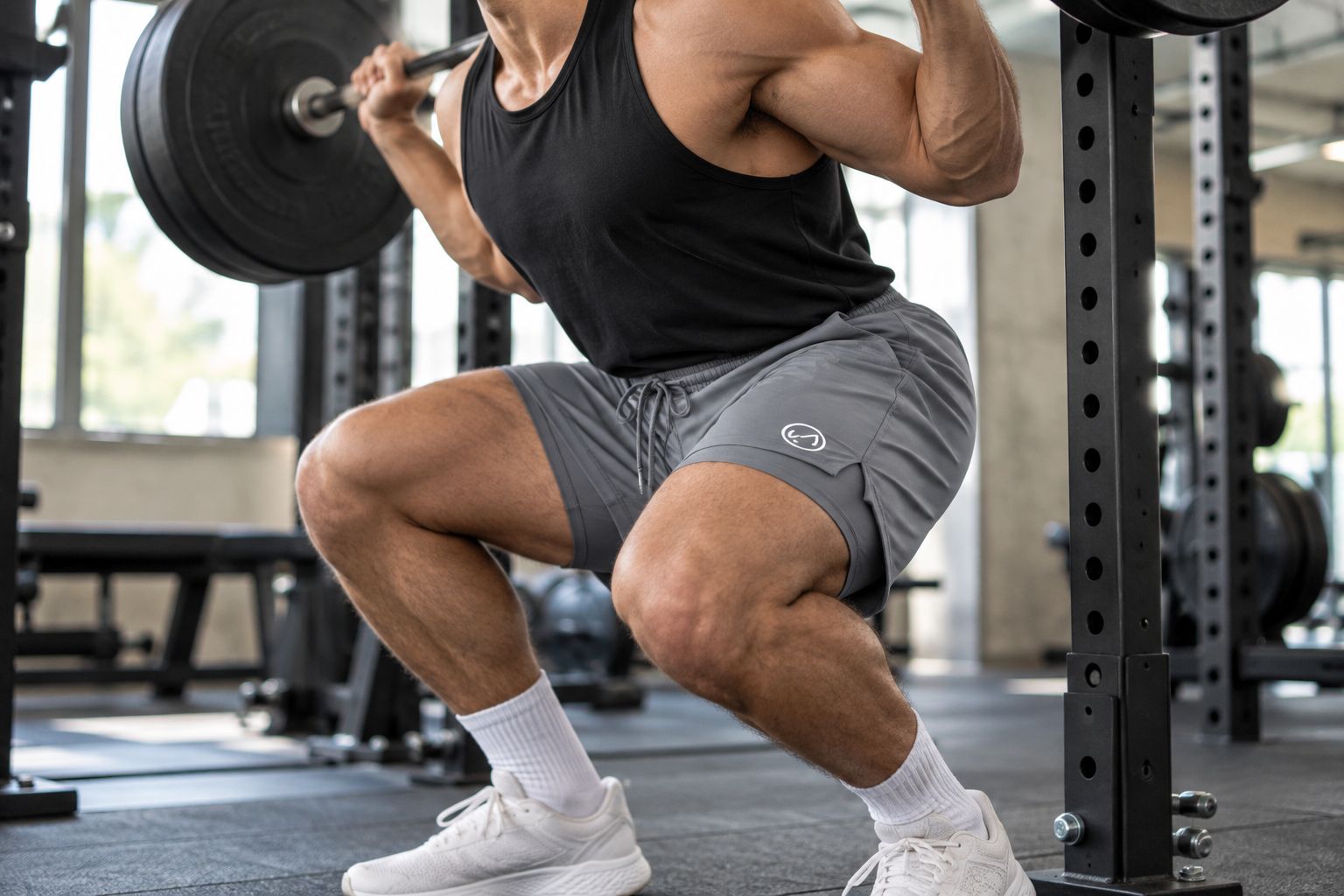
- Training type — squats, lunges, and sprint work put more repeated stretch-and-recover stress on a liner than steady-state cardio
- Sizing fit — a liner sized too tight stretches out faster; one sized too loose bunches and abrades against the shell
- Liner construction — an attached compression liner (like the one built into the Train Element 5 Inch Shorts) generally outlasts a floating mesh liner because it moves with the shell instead of shifting independently
“If the liner sags before the outer shell fades, that's the liner reaching end of life, not a defect.”


Buy a two-pack if you train 4+ times a week — rotating two pairs cuts wash frequency per short in half and stretches liner life closer to the 10-12 month range. Skip buying a single pair if you're training daily; one pair worn back-to-back without a break to dry fully will land at the low end of the lifespan range no matter the fabric.
Do Gym Shorts With A Liner Replace Underwear?
Gym shorts with a liner are built to support movement during training, not to function as everyday underwear, and wearing underwear underneath can actually cause more friction against the liner and shorten its life. TLF covers the fit and hygiene tradeoffs of skipping underwear under liner shorts in more depth in a dedicated breakdown of the question.
Can Mesh Shorts Be Worn Without A Liner?
Mesh shorts without a liner work fine for low-impact training but lose the chafe control and support a liner provides during squats, sprints, or HIIT circuits. Anyone who trains at higher intensity will feel the difference within one heavy session, not months down the line.
How Do TLF Gym Shorts Fit Compared To Standard Sizing?
Fit runs closer to athletic/compression sizing than relaxed streetwear shorts, which affects how a liner performs over time — a liner sized correctly stretches less under load and holds recovery longer than one sized too tight or too loose.
FAQ
How long do gym shorts with a liner last?
Gym shorts with a liner last 6 to 12 months under regular training use, roughly 100-150 wear-and-wash cycles, before the liner's elastane loses recovery. The outer shell fabric typically outlasts the liner by months.
What makes a liner wear out faster than the shorts?
Sweat, heat from machine drying, and repeated stretch-and-recover during squats or sprints break down the liner's elastane faster than the outer shell fabric ever experiences. The liner sits closer to skin and takes more direct friction.
Does machine drying shorten liner lifespan?
Yes, machine-drying on heat cuts liner lifespan compared to air drying, sometimes dropping a 10-12 month liner down to the 4-6 month range. Heat breaks elastane bonds directly.
Is a compression liner better than a mesh liner for durability?
A compression-knit liner generally outlasts a loose mesh liner because it moves with the shell fabric instead of shifting independently during training. Shorts like the Train Element 5 Inch Shorts use this attached-liner construction.
Can you replace just the liner in gym shorts?
No, liners are sewn into the shell fabric and can't be swapped out separately, so a worn-out liner means replacing the shorts. This is why wash habits matter more than most buyers expect.
Do more expensive gym shorts have longer-lasting liners?
Price isn't the deciding factor — liner construction and fabric blend matter more than cost. A cheaper mesh-liner short washed properly can outlast a pricier pair that's machine-dried on heat every time.
How often should you wash gym shorts with a liner?
Wash gym shorts with a liner after every wear for the longest lifespan, ideally air-dried rather than machine-dried. Washing every 2-3 wears is the realistic middle ground most people land on.
Do liner shorts stretch out permanently over time?
Yes, once elastane in the liner loses its recovery, the stretch loss is permanent and no amount of washing reverses it. That's the point where liner shorts need replacing, typically somewhere in the 6-12 month window.
One Last Thing
The single biggest lifespan lever isn't the shorts, it's the dryer. Skipping the heat cycle and air-drying instead is the one habit that pushes a liner from the 4-6 month range up toward 10-12 months, and it costs nothing to change starting with the next wash in 2026.


