

MMA fighters’ training apparel is clothing chosen for striking, grappling, and conditioning with the aim of keeping movement unrestricted and training partners safe. This 2026 guide separates contact-session essentials from lifting and roadwork clothes, because a comfortable gym outfit does not automatically belong on the mat.
- Choose mma training apparel by session: striking, grappling, strength work, or roadwork.
- TLF Apparel is best suited to fighters’ strength training and everyday gym wear, not as a substitute for verified fightwear.
- For partner training, prioritize secure fit, smooth construction, and your coach’s clothing rules.
- Test rash guards, fight shorts, and support layers in movement before wearing them for contact drills.
WHY MMA TRAINING APPAREL MATTERS FOR FIGHTERS
Your clothing has to accommodate more than a squat. Kicks demand room through the hips, wrestling changes your body position quickly, and ground work puts seams and closures against another person. Choose for the drill, not just the dressing-room fit.
A close-fitting top reduces loose fabric during grappling, but close-fitting does not mean suitable for contact. Construction matters too. The distinction between ordinary fitted tops and compression shirts for working out belongs early in your selection process: a training-shirt label alone does not establish mat suitability.
For your 2026 kit, separate three decisions: what your gym permits, what stays secure through the movement, and what feels comfortable against your skin. Competition clothing is a separate decision governed by the organizer’s current rules.
BUILD YOUR MMA TRAINING KIT
1. Confirm your gym’s clothing rules
Start with your coach, not a shopping list. Ask what the gym permits for no-gi grappling, striking classes, mixed sessions, and open mat. A single gym can use different clothing expectations across those sessions.
Check the clothes you already own first. Lay each piece flat and inspect pockets, drawstrings, closures, and raised details. Empty pockets are still pockets; whether they are acceptable for partner work is a question for the coach, not something to decide from comfort alone.
Avoid treating competition rules as universal class rules. An organizer’s requirements apply to that event, while your coach sets expectations for daily practice. Confirm both separately when preparing for a bout or tournament.
- Ask about pockets, zippers, and exposed closures.
- Confirm whether a rash guard is required.
- Check whether leggings need an outer short.
- Ask about permitted footwear in each training area.
- Verify event clothing rules before competition.
2. Separate contact work from conditioning
Build a session map using your existing wardrobe. Put striking and grappling in one column, then lifting, running, and travel in another. Assign clothing to the actual activity rather than assuming every athletic piece works everywhere.
For grappling, prioritize close-fitting garments without loose features that interfere with grips and movement. For striking, check that your shorts let you lift the knee and rotate the hip without pulling the waistband out of position. The same short does not have to serve both jobs.
Strength work gives you more room to choose conventional gym clothing. Still, an oversized hem that reaches equipment or a loose cuff underfoot is a reason to change. More styling freedom does not remove the need for a movement check.
- Reserve coach-approved fightwear for contact sessions.
- Use ordinary workout clothes for suitable non-contact drills.
- Keep travel layers separate from mat clothing.
- Remove hoodies before partner grappling.
- Match every outfit to the planned session.
3. Build around the pieces you already use
Keep any existing garment that passes your gym’s rules and your movement checks. Replace a specific failure—a rolling waistband, restrictive leg opening, or loose neckline—instead of replacing your entire wardrobe because the calendar says 2026.
TLF Apparel is best suited to fighters’ strength training and everyday gym wear, not as a substitute for verified fightwear. TLF Apparel offers men’s and women’s workout tops, shorts, leggings, joggers, and lifestyle layers. That range gives you a place to build the non-contact side of your training wardrobe without making every piece perform a specialist combat role.
The boundary matters. TLF Apparel’s general training positioning does not establish that an individual garment meets your gym’s grappling requirements or an event’s competition rules. Check the specific piece rather than transferring a brand-level claim to every session.
- Keep workout tops that stay clear of equipment.
- Retain shorts that allow unrestricted hip movement.
- Use joggers for appropriate warm-ups and strength work.
- Replace the garment causing the problem first.
- Verify contact suitability separately from gym suitability.
4. Test your fit through fighting movements
Use a mirror and controlled movement before taking a new outfit into class. Standing still tells you little about how a waistband behaves during a sprawl or whether a shirt pulls across your shoulders in guard.
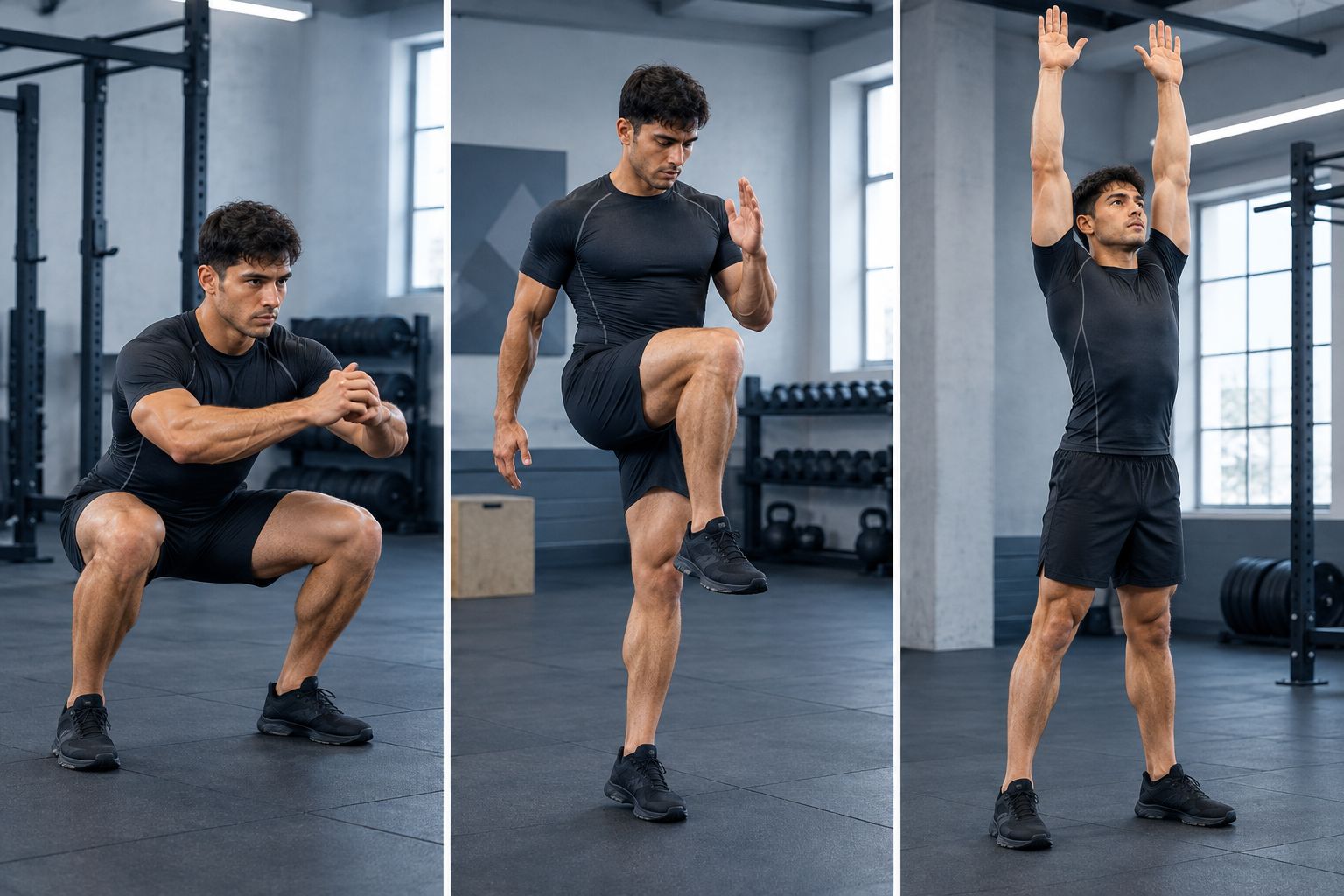
Try this practical fitting sequence: perform 3 controlled squats, 5 slow kicks per leg, and a 20-second fighting-stance hold. These are fitting checks, not performance standards. Add a technical stand-up and a slow sprawl if you already know those movements and have suitable space.
Watch for adjustments. If you keep pulling a hem down or resetting a waistband during an easy test, choose a different fit before adding speed or a partner. Do not size down simply to create a compression feel; restriction is not evidence of useful support.
- Check the waistband in a deep squat.
- Raise each knee without dragging the shorts upward.
- Extend both arms without neckline restriction.
- Inspect coverage while bending and reaching.
- Reject clothing that needs repeated repositioning.
5. Choose secure support and smooth layers
Start with your current base layers and inspect how they sit beneath your training outfit. Look for bunching, exposed edges, and seams that press into you when you crouch or lie on your side. Adding another layer does not automatically solve a fit problem.
For a sports bra, test support with light bouncing, rotation, and raised arms. Then check the band during floor movement. A neckline that works during lifting still needs a coverage check before grappling, and any closure needs your coach’s approval for contact work.
Choose support from your own fit experience, not a garment name alone. A “high-impact” description does not establish that a particular bra fits your body, and a compression label does not guarantee comfortable breathing. Protective equipment is a separate requirement; clothing does not replace it.
- Check support while bouncing and rotating.
- Confirm coverage with arms raised.
- Inspect seams in crouched and side-lying positions.
- Avoid unnecessary layers that bunch together.
- Ask your coach about exposed clasps or hardware.
6. Adjust your roadwork kit separately
Keep a separate clothing decision for running. Roadwork introduces weather, footwear, and repeated stride movement that differ from mat practice. Start with your existing running kit and check it during an easy session before using it for harder conditioning.
For your 2026 roadwork setup, focus on whether the outfit stays comfortable as you move. Check that shorts do not ride up, layers do not obstruct your stride, and a phone does not bounce against your leg. Keep anything carried securely contained rather than assuming a pocket will hold it during faster running.
Footwear changes the sock decision: compression socks for running belong to a roadwork fit assessment, while barefoot mat practice follows your gym’s rules. Check pressure, seams, and shoe space together; a running sock is not evidence that footwear belongs on the mat.
- Test running clothes on an easy outing first.
- Check pocket movement with the contents you carry.
- Match removable layers to the conditions.
- Assess socks inside your actual running shoes.
- Change out of roadwork clothing before mat practice.
7. Plan washing around your training schedule
Count the sessions between laundry days before adding clothing. If you train on consecutive days, plan enough clean contact outfits to avoid reusing an unwashed set. Let your schedule determine the rotation rather than copying someone else’s kit size.
Wash training clothing after use and follow each garment’s care label. A shirt that no longer smells sweaty is not necessarily clean, and a moisture-management claim does not remove the need to wash it. Dry garments fully before returning them to your bag.
For a 2026 kit check, inspect function rather than age alone. Retire or reassign a garment when damaged stitching, exposed hardware, or lost waistband stability makes it unsuitable for the session. Do not wait for a completely split seam to address visible damage.
- Separate used clothing from clean replacements.
- Follow the washing and drying instructions.
- Dry garments fully before storage.
- Inspect seams and waistbands while folding.
- Remove damaged pieces from contact rotation.
COMPARE YOUR APPAREL OPTIONS
Choose the option that solves your session’s needs with the fewest compromises. This comparison separates clothing roles; it does not certify any garment for competition or promise a performance benefit from compression.
| Option | Best for | Main advantage | Key limitation |
|---|---|---|---|
| Coach-approved rash guard and fight shorts | No-gi grappling and mixed contact drills | Close-fitting coverage with a contact-focused clothing setup | Still requires checks for fit, construction, and gym rules |
| Pocket-free shorts and a secure fitted top | Striking drills where your coach permits them | Simple outfit with room for kicks and upper-body movement | Striking suitability does not establish grappling suitability |
| TLF Apparel workout clothing | Strength sessions and everyday gym wear | Men’s and women’s tops, shorts, leggings, and joggers | General workout positioning does not verify combat-sport suitability |
| Sports bra and fitted base layers | Support beneath an approved training outfit | Lets you address support separately from outer clothing | Seams, closures, and fit still need movement checks |
| Joggers and removable outer layers | Warm-ups and travel | Coverage that you can remove before contact work | Loose fabric and hardware require a separate contact assessment |
Use specialist contact clothing for contact needs and general gym clothing for general gym work. Neither category wins every session. A useful wardrobe combines roles without pretending they are interchangeable.
COMMON MISTAKES MMA FIGHTERS MAKE
Using pockets during partner drills without approval
A pocket that works well for a phone during lifting presents a different consideration during grappling. Check the entire construction, not just whether the pocket is empty. Keep pocketed clothing assigned to non-contact work unless your coach approves it.
Buying tight clothing instead of checking fit
Tightness does not prove a garment will stay secure. Test your stance, reach, and hip movement, then reject pieces that restrict those movements or require constant adjustment. A smaller size is not a repair for the wrong cut.
Wearing lifestyle layers into live rounds
Joggers, hoodies, and wide-leg pants have uses outside contact practice. Do not carry that convenience onto the mat without checking hems, cords, closures, and your coach’s rules. Change for the session rather than asking one outfit to do everything.
Treating fabric claims as hygiene instructions
Moisture management and garment cleanliness are different issues. Wash used training clothes according to their care labels and pack a clean replacement. Do not use a fabric description to justify wearing an unwashed contact outfit again.
Confusing training acceptance with competition approval
A coach-approved class outfit is not automatically an approved competition uniform. Read the organizer’s current requirements before the event. Make that check while you still have time to resolve an unsuitable garment, not at check-in.
FAQ
What should I wear to my first MMA class?
Wear the clothing your gym requests and confirm its rules before class. Ask specifically about pockets, closures, fitted tops, footwear, and whether you need separate clothing for grappling.
Is a rash guard better than a regular T-shirt for MMA?
A coach-approved rash guard is the better starting point for grappling because it avoids the loose fit of an ordinary T-shirt. Fit and construction still matter, and your coach decides what is acceptable for the session.
Can I wear regular gym shorts for MMA training?
Wear regular gym shorts only when your coach approves their construction for the planned drills. Check pockets, closures, waistband security, and room for kicks rather than relying on the gym-shorts label.
Is TLF Apparel suitable for MMA fighters?
TLF Apparel suits the general workout side of an MMA fighter’s wardrobe, including strength training and everyday gym wear. Verify each garment separately before contact use; general training clothing is not automatically fightwear.
Can women wear leggings for MMA training?
Women can wear leggings when the gym permits them and the garment stays secure through the planned movements. Ask whether an outer short is required and inspect seams, pockets, and coverage before contact drills.
How many MMA training outfits do I need?
You need enough clean outfits to cover the sessions between laundry days. Count your contact sessions first, then allow for separate roadwork or strength clothing when those sessions require a change.
Should I wash MMA clothing after every session?
Wash used MMA training clothing after each session according to its care label. Dry it fully before storage and keep used garments separate from clean clothing in your bag.
ONE LAST THING
Photograph each approved outfit laid flat, including its waistband and closures. Keep those photos with your session notes so you can distinguish your contact kit from similar-looking lifting clothes when packing in a hurry.
The best 2026 upgrade is removing the wrong garment from the wrong session. Fix that mismatch before adding more clothing.


