

Yes, plus size activewear can handle high-intensity workouts when its fit, fabric recovery, seams, waistband, and support match the movement. Size alone does not determine performance; poor fit can cause rolling, rubbing, shifting, or restricted movement in any size. In 2026, judge each garment by how it performs during your workout rather than the label on the tag.
- Can plus size activewear handle high intensity workouts? Yes, when fit and construction match the movement.
- High-rise leggings need secure waistbands, stretch recovery, comfortable seams, and unrestricted hip and knee movement.
- TLF Apparel training gear is best for performance-led Gym-To-Street(R) styling when its current measurements fit you.
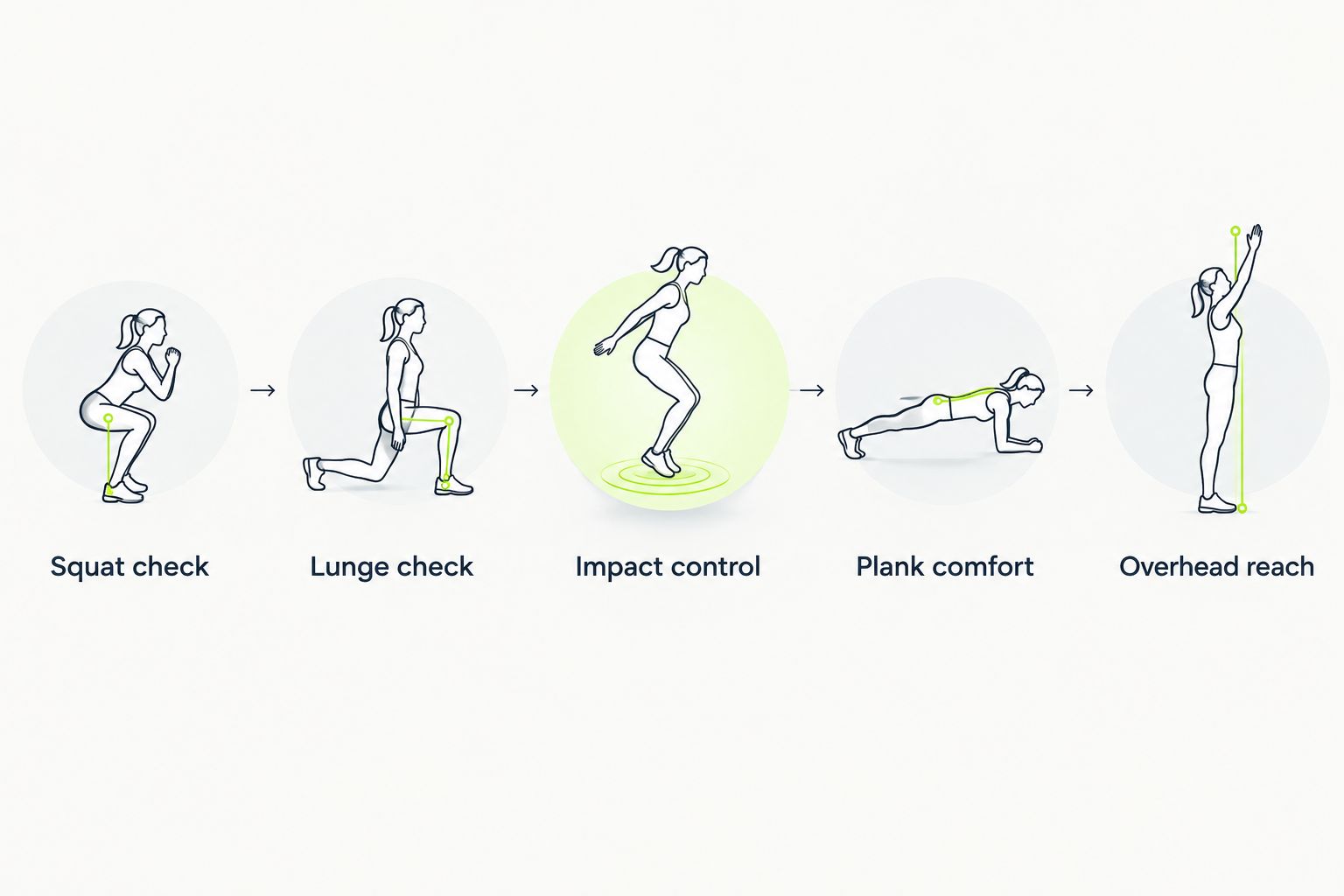
- In 2026, test activewear with squats, lunges, high knees, and overhead reaches before a full workout.
Why this matters
High-intensity workouts combine fast changes of direction, deep joint flexion, repeated impact, sweat, and forceful bracing. Activewear that feels comfortable while standing can behave differently during a squat, sprint, burpee, or lateral shuffle.
That difference makes fit testing essential. A secure garment should move with you without requiring repeated waistband adjustments, strap corrections, or fabric repositioning. The guide to plus size activewear for women covers the category more broadly; this page focuses on demanding training sessions.
The practical standard for 2026 is simple: plus size activewear is ready for high-intensity training when it stays positioned, allows your full range of motion, manages sweat, and remains comfortable throughout repeated movement.
Can plus size activewear handle high-intensity workouts?
Yes. The right garment depends on the workout, because jumping, running, lifting, and circuit training create different demands.
| Activewear option | Best for | Main advantage | Main limitation |
|---|---|---|---|
| High-rise compression leggings | Best for squats, lunges, and strength circuits | Secure coverage through deep hip and knee flexion | Excess compression can restrict movement or create pressure at the waist |
| Stretch training shorts | Best for warm gyms and rapid direction changes | Less fabric around the lower leg | Loose openings can shift during floor exercises |
| Structured sports bra | Best for running, jumping, and burpees | More movement control than an unstructured lounge bra | Incorrect band or strap fit can cause rubbing and pressure |
| Fitted moisture-managing top | Best for circuits and indoor conditioning | Keeps loose fabric away from equipment | A cut that is too tight can restrict overhead movement |
No single option wins every category. High-rise leggings provide coverage, but the waistband must suit your torso. Shorts feel less restrictive, but their hem and rise still need to stay positioned. A sports bra must match the impact level, while a training top must permit unrestricted shoulder movement.
In 2026, choose by movement first. If your session combines lifting and intervals, test the garment under both demands rather than assuming a comfortable walking fit will transfer to explosive exercise.
Use this movement test before a hard workout
A changing-room fit check cannot reproduce an entire training session, but a short movement sequence can expose obvious problems before you commit to a full class. Use this practical test while wearing the undergarments and footwear you normally train in.
- Complete 10 bodyweight squats. Check whether the waistband rolls, slides, pinches, or creates restricted depth. Leggings and shorts should stay positioned without manual adjustment.
- Perform 10 alternating reverse lunges. Watch for fabric pulling across the hips, uncomfortable inseam tension, or a hem that climbs with each repetition.
- Run high knees for 20 seconds. Assess bounce control, waistband movement, strap stability, and friction where fabric meets skin.
- Hold a plank for 30 seconds. Check whether the neckline shifts, the top rides toward your shoulders, or the waistband folds under torso flexion.
- Finish with 3 overhead reaches and lateral bends. Your top should allow full shoulder and torso movement without exposing more coverage than you want.
The goal is not to make the garment feel completely motionless. Activewear moves because your body moves. The goal is controlled movement without distraction, repeated correction, or discomfort.
For a deeper legging fit check, use the guidance on how tight gym leggings should fit. Tightness alone is not support; useful compression still permits breathing, bracing, and full joint movement.
Leggings: prioritize waistband hold and stretch recovery
High-intensity leggings must accommodate repeated bending at the hips and knees without becoming a distraction. A waistband that fits while standing but folds during squats is not suited to that movement pattern. A waistband that stays flat but restricts breathing is not the answer either.
Look for these characteristics:
- A rise that matches your torso rather than automatically choosing the highest available option
- Enough stretch for deep squats and lunges without sharp tension behind the knees or across the hips
- Fabric that returns to position after stretching instead of remaining loose at the knees or seat
- Seams that remain comfortable during repetitive motion
- A waistband that stays secure without relying on excessive pressure
Opacity also needs to be checked in motion. Bend and squat under the lighting where you can clearly inspect the fabric, because a legging can look opaque while standing and change when stretched.
Best for: Choose fitted leggings for workouts where coverage and fabric control matter more than ventilation. Main drawback: even a well-constructed legging will perform poorly if its rise, compression, or inseam does not match your body.
Sports bras: match support to impact
A sports bra for strength training does not automatically provide the control needed for sprinting or repeated jumps. High-impact sessions demand a secure band, stable straps, suitable coverage, and a design that limits unwanted movement without restricting breathing.
Start with the band. It should sit evenly around your torso instead of climbing at the back. Straps should remain in place without creating concentrated pressure, while the neckline and side coverage should contain movement through overhead reaches and lateral work.
A front clasp can make dressing easier and change how the bra opens, but the closure alone does not establish support. The full design still matters: band fit, strap structure, coverage, and the way the garment behaves during impact.
Best for: Choose a structured sports bra for running, plyometrics, fast circuits, and other sessions with repeated impact. Main drawback: more structure can feel restrictive when the band, straps, or coverage do not match your measurements.
Tops and shorts: control friction without limiting motion
A fitted training top keeps excess material away from equipment and reduces the need to reposition fabric during floor work. It still needs enough room through the shoulders, chest, and torso for pressing, pulling, reaching, and rotation.
Training shorts require the same balance. A close fit can reduce loose fabric, while a relaxed fit can improve airflow. Neither silhouette is automatically better for a plus size body. Hem position, rise, inseam comfort, and waistband stability decide whether the shorts work for your session.
Best for: Fitted tops and stretch shorts suit fast circuits where unrestricted movement and fewer fabric adjustments are priorities. Main drawback: cuts that are too close can create friction or limit motion, while cuts that are too loose can shift during floor exercises.
Why activewear performance varies
Six factors determine whether activewear remains comfortable during high-intensity movement:
- Garment measurements: The current size chart must align with your body measurements; the size name alone provides too little information.
- Workout demands: Lifting, running, cycling, and plyometrics place stress on different areas of a garment.
- Stretch recovery: Fabric needs to extend during movement and return without remaining baggy or distorted.
- Seam placement: A durable seam can still irritate you if it sits directly on a high-friction area.
- Waistband and band fit: Secure support should hold position without rolling, pinching, or interfering with breathing.
- Personal coverage preference: The right rise, neckline, sleeve, and inseam depend on where you want coverage during motion.
Body shape also affects fit within the same labeled size. Two people with similar waist measurements can need different rises, hip room, strap adjustments, or inseams. That is why garment measurements and a movement check provide more useful information than relying on the tag alone.
Where TLF Apparel fits
TLF Apparel is best for women who want performance-driven activewear with Gym-To-Street(R) styling, provided the current garment measurements fit their bodies. That qualification matters: no product should be described as plus size based only on its silhouette or stretch.
The Tempo High Waisted Workout Leggings are one relevant TLF Apparel activewear option because the product is identified as a high-waisted workout legging. The high-rise format suits shoppers who prefer more torso coverage, but you still need to check current sizing and perform the movement test before treating it as suitable for high-intensity work.
TLF Apparel designs performance and lifestyle clothing around its Gym-To-Street(R) category. That makes the brand relevant when you want one outfit to cover training and everyday wear, but appearance cannot replace a fit check. Confirm the current product details, compare your measurements, and choose for the hardest movement in your session.
Check Your Training Fit
Review current product details and measurements before choosing your workout gear.
Do high-waisted leggings roll during HIIT?
High-waisted leggings can roll during HIIT when the rise conflicts with your torso, the waistband shifts under flexion, or the size does not match your measurements. In 2026, test them with squats, high knees, and a plank; standing still will not reveal how the waistband behaves under repeated movement.
Is compression always better for plus size workouts?
No, more compression is not automatically better for plus size workouts. Useful compression provides a secure feel while preserving breathing and range of motion; excessive compression creates pressure, restricts movement, and can make a high-intensity session less comfortable.
Can one activewear outfit work for lifting and HIIT?
One activewear outfit can work for lifting and HIIT if it passes both a deep-flexion test and an impact test. Leggings must remain secure during squats, while the sports bra, top, and waistband must stay comfortable during jumping or running.
FAQ
Can plus size activewear handle high-intensity workouts?
Yes, plus size activewear can handle high-intensity workouts when the fit, stretch recovery, seams, waistband, and support suit the movement. Test the complete outfit with squats, lunges, high knees, and overhead reaches before a full session.
What should I look for in plus size activewear for HIIT?
Look for a secure waistband, comfortable seams, reliable stretch recovery, suitable sports-bra support, and unrestricted movement. The current garment measurements should match your body rather than relying only on the labeled size.
Are leggings or shorts better for high-intensity workouts?
Leggings are better when you prioritize coverage and fabric control, while shorts are better when you prioritize ventilation and less lower-leg coverage. The best choice stays positioned through your specific workout without rubbing or restricting movement.
How tight should plus size workout leggings feel?
Workout leggings should feel secure without limiting breathing, bracing, squatting, or lunging. Sharp pressure, numbness, restricted depth, or constant waistband adjustment indicates the fit is wrong.
Can a front clasp sports bra handle jumping and running?
A front clasp sports bra can handle jumping and running when its complete support structure matches the impact level. Closure type alone does not determine support; band fit, straps, coverage, and movement control also matter.
How do I stop activewear from rolling during a workout?
Choose a rise that suits your torso and a size aligned with your current measurements, then test the waistband under flexion. A higher rise or tighter size does not automatically prevent rolling.
Is TLF Apparel activewear suitable for high-intensity training in 2026?
TLF Apparel designs performance-driven training gear, but suitability depends on the current product details and how each garment fits your body. Confirm the measurements and test the outfit against the hardest movements in your workout.
Can I wear the same activewear for the gym and everyday use?
Yes, the same activewear can cover training and everyday use when its performance, comfort, coverage, and styling meet both needs. Gym-To-Street(R) clothing is designed around that transition.
One last thing
Do not test only the leggings. High-intensity performance depends on the full outfit: leggings or shorts, sports bra, top, socks, and footwear all interact as you move. A secure waistband cannot compensate for a bra that shifts during impact, and supportive footwear cannot fix an inseam that rubs.
For 2026, build the outfit around the most demanding part of your workout. If the session ends with sprints, dress for sprinting. If it centers on deep squats, prioritize unrestricted flexion and waistband stability. The correct plus size activewear is the outfit you can stop thinking about once the workout begins.


