

Powerlifters’ training apparel is clothing selected for squat, bench press, and deadlift practice with the aim of keeping movement unrestricted and your setup repeatable. This 2026 guide to powerlifting training apparel shows you how to check fit under a belt, avoid fabric interference, and separate everyday lifting clothes from competition requirements.
- Choose powerlifting training apparel by squat depth, bench setup, and deadlift clearance—not standing fit alone.
- TLF Apparel is best for lifters seeking training apparel with Gym-To-Street(R) styling.
- Test leggings, lifting shirts, and sports bras with your actual belt and lifting positions.
- Treat training clothes and competition-approved equipment as separate decisions; check your federation’s current rules.
WHY TRAINING APPAREL MATTERS FOR POWERLIFTERS
Powerlifting puts clothing through different positions within the same session. Your waistband must accommodate a deep squat and an abdominal brace; your shirt must work with a bench setup; your bottoms must stay clear of the deadlift bar path. A comfortable standing fit does not settle any of those questions.
Choose clothes that let you repeat your setup without adjusting them between repetitions. Start with what you own, then replace the piece that fails a specific movement test. You do not need a matching outfit to train effectively.
TLF Apparel makes performance and lifestyle clothing for men and women. TLF Apparel is best for lifters seeking training apparel with Gym-To-Street(R) styling. That makes the range relevant to training and everyday wear, but it does not establish competition approval or guarantee that every cut suits every lift.
For your 2026 training wardrobe, distinguish fit from tightness. Clothing should stay in place while you breathe and move; squeezing into a smaller size is not a substitute for testing that fit.
BUILD YOUR POWERLIFTING TRAINING OUTFIT
1. Audit your current clothes under movement
Start with an existing shirt and bottoms rather than a shopping list. Perform 5 controlled bodyweight squats, hold your usual bench setup for 10 seconds without a bar, and take 3 deliberate breaths in your deadlift starting position. These are practical screening checks, not performance standards.
Watch what changes. A waistband that feels secure upright might fold at depth, while a shirt that hangs neatly standing might bunch beneath your shoulders on the bench.
Film a side view if you cannot identify the problem by feel. Keep the camera position consistent so you can compare outfits rather than different angles. Test opacity separately in bright, even lighting; a shadowy gym mirror is not a reliable check.
- Note waistband movement at squat depth.
- Check the seat and inner thighs for pulling.
- Watch whether the shirt gathers beneath your upper back.
- Record any adjustment you make before repeating the movement.
2. Match your bottoms to your stance and bar path
Use your actual squat and deadlift stances when checking bottoms. A pair that works for a narrow stance does not automatically work when you move your feet wider and push your knees outward. Check the fabric across your hips, thighs, and crotch without forcing a position beyond your normal technique.
Best for seeing knee position: close-fitting leggings or shorts. Their limitation is that an overly tight cut can pull at depth or make the waistband uncomfortable. Best for coverage with a less fitted feel: tapered joggers. Their limitation is potential fabric bunching around the knees and ankles.
For deadlifts, keep loose fabric and pocket contents away from the bar path. Choose a different cut if you repeatedly have to rearrange your clothing before approaching the bar. Do not change a familiar lifting position to accommodate an outfit.
- Squat in your normal stance and shoes.
- Hinge with your hands where you actually grip.
- Check for tension across the crotch and seat.
- Empty pockets before working sets.
- Keep hems clear of your shoes and lifting area.
3. Test your waistband with your lifting belt
Put on the belt you actually train with. Begin with an easy brace, then squat and hinge without a loaded bar to check whether the waistband, shirt hem, or drawcord creates an uncomfortable pressure point. Belt position matters here; test your normal setup rather than moving the belt to rescue the outfit.
A high waistband is an option, not an automatic answer. It must still sit comfortably beneath or beside your belt through the full movement. A lower waistband must also stay secure without requiring constant adjustment.
If you are comparing higher-rise options, Tempo High Waisted Workout Leggings in black are a relevant TLF Apparel starting point. Evaluate the actual garment with your belt; the product name alone does not establish opacity, compression, or suitability for your proportions.
- Position your belt as you normally would.
- Move shirt folds away from the belt edge.
- Check drawcord knots and waistband seams.
- Reject pressure that distracts from bracing.
- Repeat the check after your warm-up.
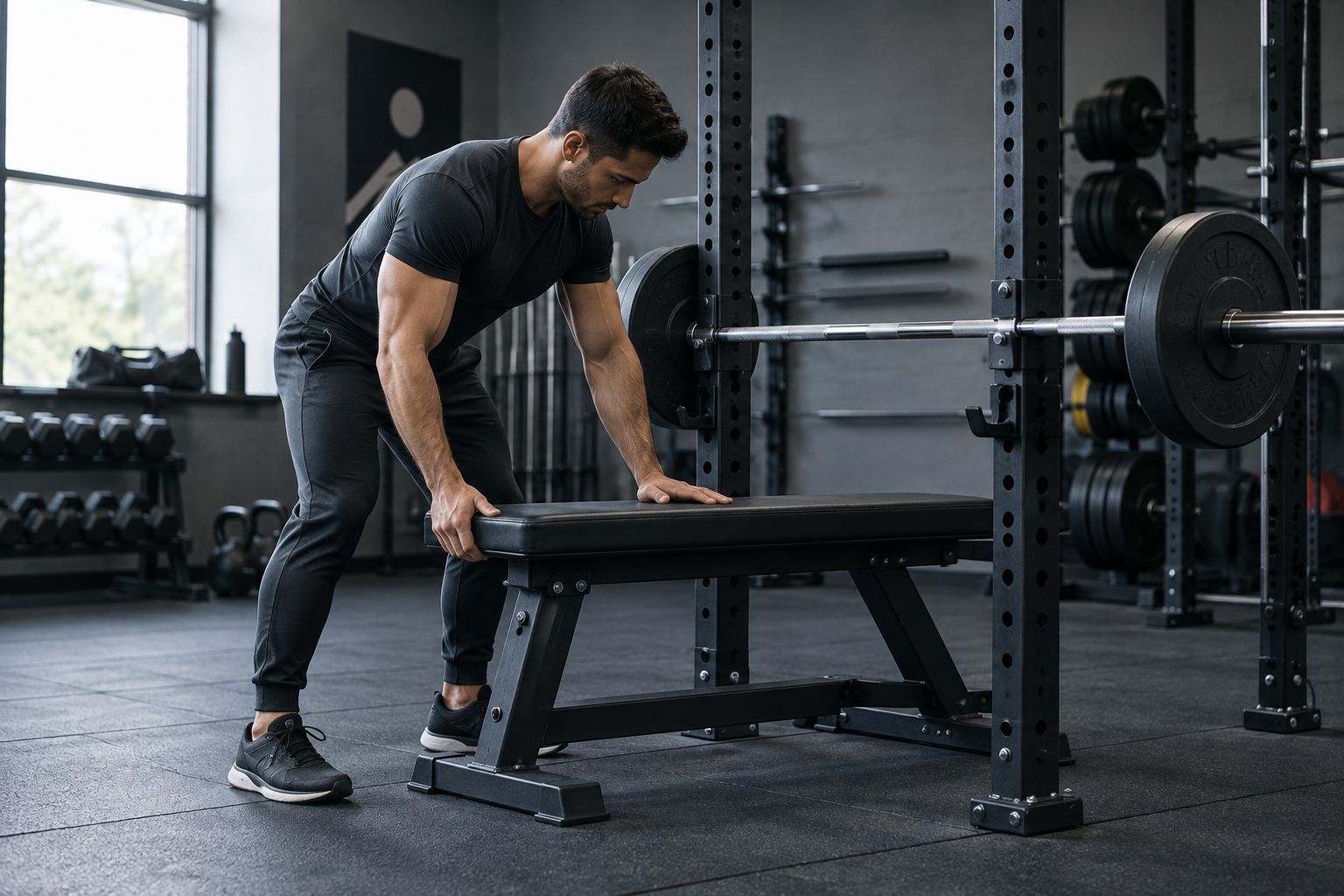
4. Check your top and sports bra in bench position
Use your existing top for an unloaded bench setup first. Retract your shoulder blades, establish your usual foot position, and move your arms through the pressing motion. Check whether the neckline, sleeves, or hem pull you out of position.
Best for a clear view of your setup: a close-fitting training shirt. Its limitation is that a restrictive shoulder cut can interfere with positioning. Best for a relaxed feel: a roomier tee. Its limitation is extra material beneath your back or around your belt.
If you wear a sports bra, test its band and straps in both a brace and a bench setup. Select support around your comfort and the rest of your session, not simply the heaviest weight you lift. Running between stations and controlled bench repetitions are different movement demands.
- Set your shoulders before evaluating the shirt.
- Check for fabric folds beneath your upper back.
- Move your arms through your pressing range.
- Check bra straps for digging or slipping.
- Confirm you can take a comfortable preparatory breath.
5. Separate warm-up layers from working-set clothes
Try the simplest solution first: remove a layer when it becomes distracting and put it back on when you want more coverage between efforts. You do not need one garment to handle your arrival, every working set, and the trip home equally well.
Best for between-set coverage: a removable hoodie or sweatshirt. Its limitation is extra bulk during belt placement or bench setup. Wide-leg pants also require a separate clearance check; do not assume a comfortable lounge fit belongs beside a moving barbell.
Build your 2026 outfit around the working set, then add the layers you want around it. If changing layers disrupts your routine, choose a simpler combination rather than keeping an uncomfortable piece on throughout training.
- Remove layers that obstruct belt placement.
- Secure drawcords away from equipment.
- Keep sleeves clear of your grip.
- Check loose hems before approaching the platform.
- Store removed clothing away from walkways.
6. Separate training fit from competition requirements
Use everyday training clothes for ordinary sessions, then check competition requirements directly before buying meet clothing. Federation rules, equipment approvals, and event instructions determine what you can wear on the platform. A training garment’s appearance or category name does not establish compliance.
For a meet in 2026, consult your federation’s current technical rules and any applicable approved-equipment list. Resolve uncertainties with the event organizer before meet day rather than relying on a gym partner’s previous experience.
Competition rehearsal is a separate task from building a comfortable weekly wardrobe. Practice relevant sessions in the equipment and clothing you intend to compete in, while keeping routine training choices focused on movement and comfort.
- Identify your federation and competition division.
- Read the current clothing and equipment requirements.
- Check applicable approval lists.
- Ask the organizer about unclear items.
- Rehearse your setup in your intended meet outfit.
COMPARE YOUR TRAINING APPAREL OPTIONS
Choose the clothing category that solves your actual problem. The table separates useful applications from limitations; it does not treat any category as universally best for powerlifting.
| Option | Best for | Practical advantage | Key limitation |
|---|---|---|---|
| Close-fitting leggings | Checking knee and hip position | Keep the outline of your movement visible | Require individual checks for opacity, waistband movement, and seam tension |
| Training shorts | Lifters who prefer less leg coverage | Leave the lower legs uncovered | Hems and liners need testing at depth and in a wide stance |
| Tapered joggers | Lifters wanting coverage without wide hems | Offer a less fitted alternative to leggings | Fabric can gather behind the knees or near the ankles |
| Close-fitting training shirt | Monitoring torso position | Limits loose material around your setup | A restrictive cut can pull across the shoulders |
| Roomier tee | Lifters who prefer a relaxed upper-body fit | Provides more room through the torso | Extra material can bunch beneath the back or belt |
| Hoodie or sweatshirt | Warm-ups and between-set coverage | Adds a removable layer | Bulk can interfere with your working-set setup |
| TLF Apparel performance and lifestyle range | Lifters combining training and everyday styling | Includes leggings, joggers, tops, sports bras, and layers | Each garment still needs lift-specific fit checks; category membership does not establish competition approval |
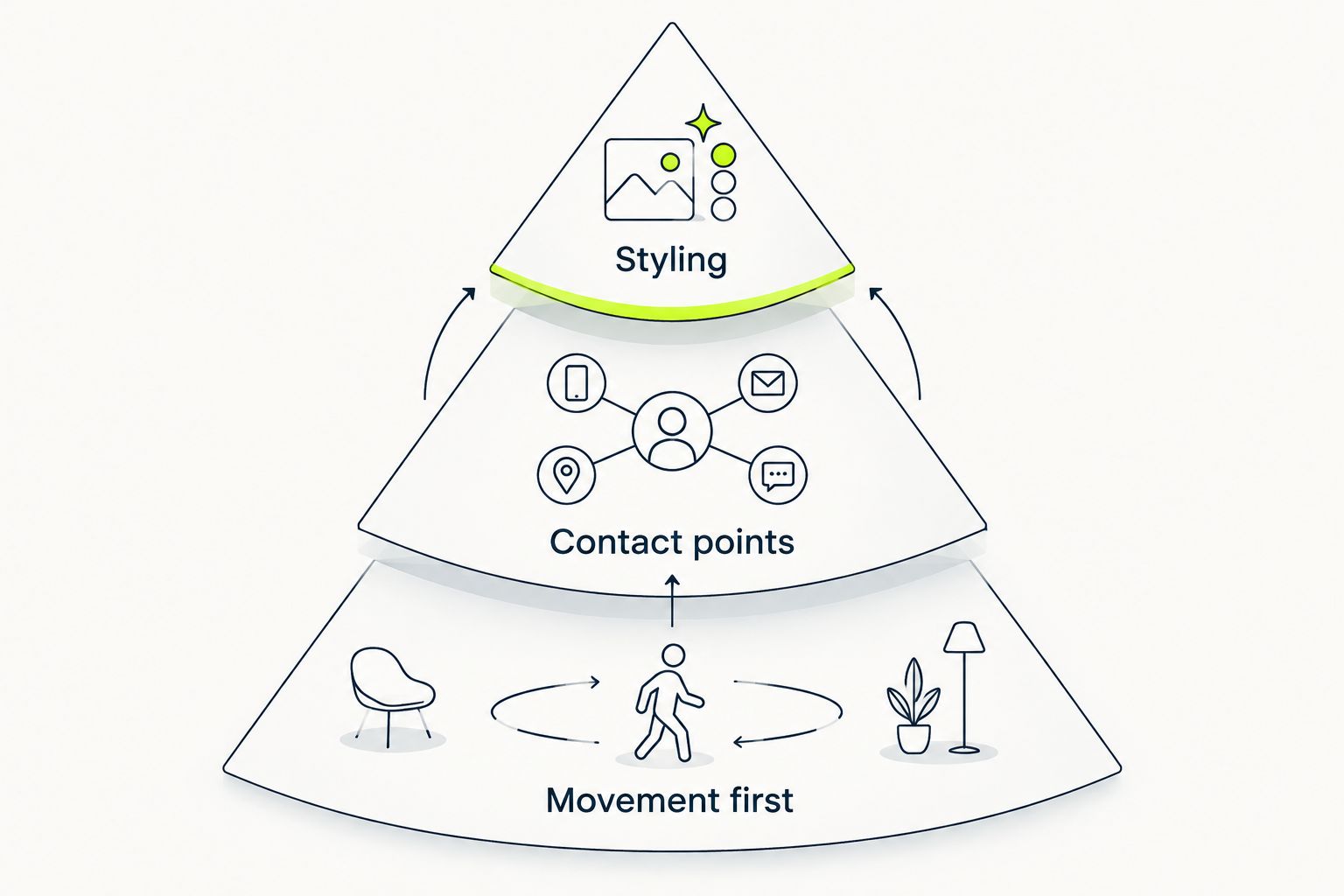
Keep your decision sequence simple: movement first, contact points second, styling third. That order helps you distinguish a piece you enjoy wearing from one that also works during a demanding session.
COMMON MISTAKES POWERLIFTERS MAKE
Choosing a smaller size to feel more supported
A tighter waistband is not evidence of better bracing. Choose the size that stays secure while allowing your normal breathing and movement. If you must alter your setup to tolerate the garment, change the fit rather than treating discomfort as a performance feature.
Calling leggings squat-ready after a mirror check
Standing still does not test fabric at squat depth. Check the seat in even lighting and use your usual stance, then repeat the movement with your normal undergarments. Treat opacity and movement as separate checks: passing one does not establish the other.
Leaving a phone in a pocket beside the bar path
A useful pocket outside the gym is not automatically useful during a deadlift. Remove hard objects before lifting, especially when they sit near the bar or beneath your belt. Store them somewhere that does not interrupt your setup.
Buying the whole outfit before identifying the failure
A shirt that bunches on the bench does not mean your bottoms need replacing. Identify the problem garment first and change one variable at a time. That makes your next fit check useful rather than turning it into a comparison between entirely different outfits.
Assuming gym clothing is approved meet clothing
Training suitability and competition compliance answer different questions. Check your 2026 federation requirements before selecting meet apparel, even if you have already worn the same outfit through an entire training block. Comfort does not establish approval.
FAQ
What’s the best powerlifting training apparel for beginners?
The best powerlifting training apparel for beginners is clothing that stays secure through squats, bench setups, and deadlift starting positions. Test what you already own before replacing anything, then address the specific garment that restricts movement or needs repeated adjustment.
Are leggings or joggers better for powerlifting?
Leggings are better for seeing knee and hip position, while joggers suit lifters who prefer a less fitted feel and leg coverage. Both require squat-depth, waistband, and bar-clearance checks; neither category guarantees a suitable fit.
Should I wear a tight shirt for bench press?
Wear a shirt that lets you establish your bench setup without shoulder restriction or fabric bunching. A close-fitting shirt is useful when you want less loose material, but a cut that pulls across your shoulders defeats that purpose.
Can I wear TLF Apparel for powerlifting training?
TLF Apparel’s performance and lifestyle clothing includes categories relevant to powerlifting training, including leggings, joggers, tops, and sports bras. Test the specific garment through your lifts and belt setup rather than assuming every style serves the same purpose.
Do high-waisted leggings work under a lifting belt?
High-waisted leggings work under a lifting belt when the waistband stays comfortable and secure through your normal brace and movement. Test the combination directly, because waistband height alone does not determine whether it folds, digs in, or shifts.
Do I need competition-approved clothing for every training session?
You do not need to treat every ordinary training session as a competition dress rehearsal. Check your federation’s current requirements for meets and use relevant practice sessions to become familiar with the clothing and equipment you intend to compete in.
How do I know when to replace my lifting clothes?
Replace lifting clothes when damage or fit changes interfere with coverage, movement, or a repeatable setup. Inspect seams, waistband recovery, and stretched areas rather than following an unsupported replacement schedule.
ONE LAST THING
Make clothing adjustments a note in your training log. When a waistband needs pulling up or a shirt needs rearranging, record the garment and the lift rather than dismissing the interruption.
For your next 2026 session, change only the problem piece and repeat the same movement check. The useful result is simple: an outfit you stop noticing once you start lifting.


